
Gallus gallus by Steven Traver.
Gallus gallus by Steven Traver.

Ctenophora by Scott Hartman.
Fred Rascoe, Scholarly Communications at Georgia Tech, sent me this article. I think it’s well worth reading for those interested in Open Access.
Here’s an excerpt:
Seen in this background Open Access is indeed democratising. But only partially. Open Access only helps democratise the distribution of peer-reviewed research. It does not democratise research activity itself, nor does it transform the peer review system, which for different reasons appears weighted in favour of a self-selecting elite. The issue to be addressed is whether O.A. would rid the system of journal branding and journal hierarchies

Acer platanoides L. by Fcb981 (vectorized by T. Michael Keesey)
A preference for gold open access over green is misguided and is due to multiple gaps in the evidence gathered for the Finch Report, MPs have said.
Times Higher Education (Paul Jump) on OA report by BIS committee
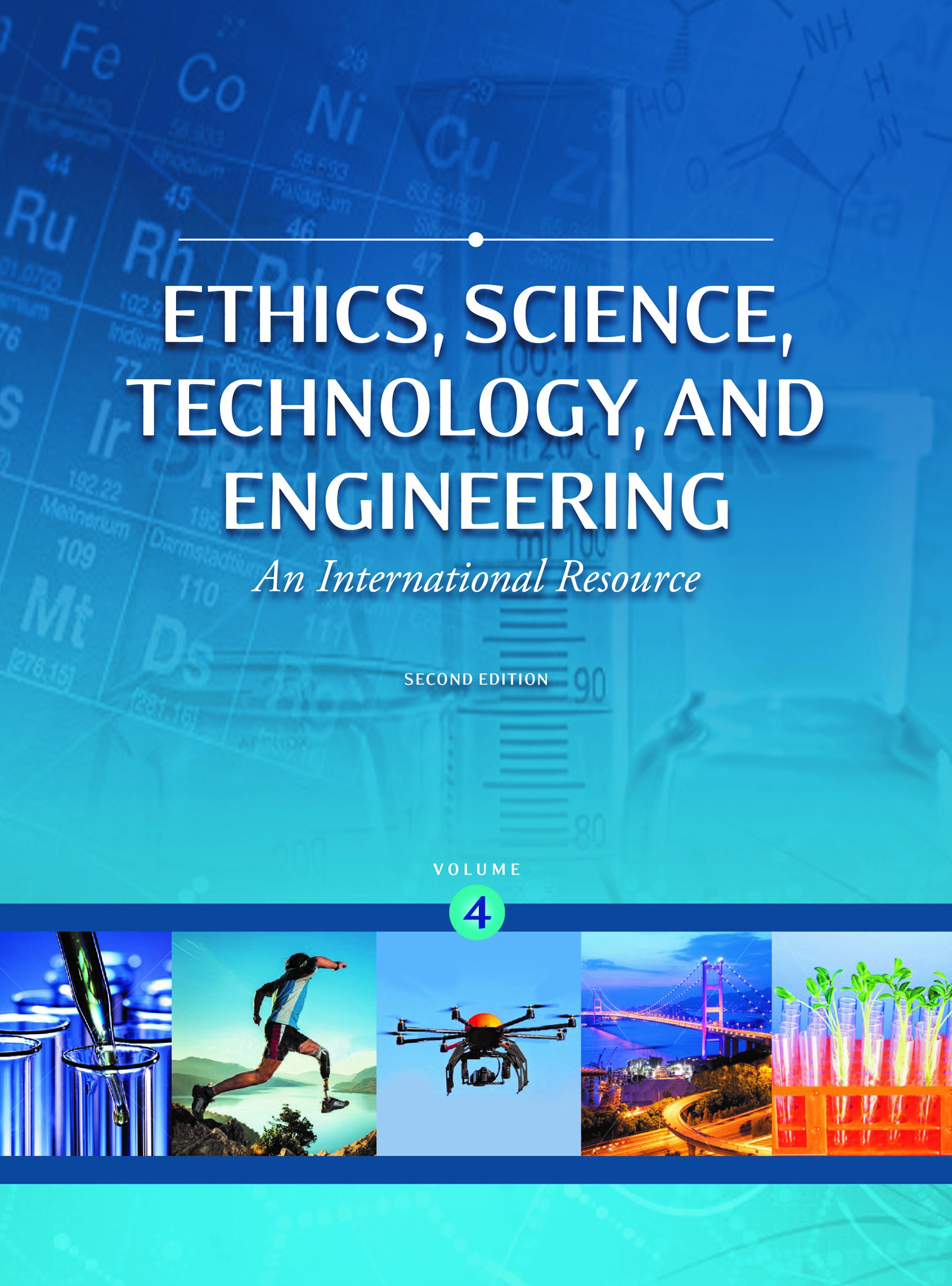
– Featuring nearly 200 entirely new entries
– All entries revised and updated
– Plus expanded coverage of engineering topics and global perspectives
– Edited by J. Britt Holbrook and Carl Mitcham, with contributions from consulting ethics centers on six continents
A reversal in strategy from the RCUK’s preferred Gold OA route to a Green OA dominant policy seemed inevitable. The RCUK’s policy was something of a bold gamble, an attempt to stake a leadership claim that would inspire other nations to follow suit. The RCUK was willing to significantly increase spending to pay article processing charges (APCs) for immediate Gold OA for articles under an assumption that this investment would pay off in eventual savings — that is, if other nations did the same, the UK would ultimately come out ahead and its outlay for OA articles would be returned in free access to articles funded by other countries, allowing savings by cutting subscription journal spending.
But things didn’t work out that way.
The Scholarly Kitchen on the BIS Committee Open Access Report
However, we have real reservations about the committee’s recommendation to restrict embargo periods to six months for STEM subjects and 12 months for humanities, arts and social sciences. This will directly limit where researchers can publish, will constrain academic freedom and could potentially damage the international standing of UK universities.
Wendy Piatt on the BIS Committee Open Access Report
Nature on BIS Committee OA Report
Richard Van Noorden is especially good at reporting on the reality of RCUK’s OA mandate in light of the report.
Open and Shut? on BIS Committee Open Access Report
Great coverage by Richard Poynder on the committee’s call for more focus on Green OA.
A global, comprehensive, living toolkit improving research, education and impact on complex real-world problems
Science | Policy | Advice | Engagement
Only the unmeasured is free.
Tracking retractions as a window into the scientific process
Media, Politics, Reform
Explorations in contemplative writing
When @richvn feels like it
From Bauhaus to Beinhaus
SV-POW! ... All sauropod vertebrae, except when we're talking about Open Access. ISSN 3033-3695
Home for research news from my lab and posts about related science.
research education, academic writing, public engagement, funding, other eccentricities.
Paul Wouters and Sarah de Rijcke @ CWTS
technology thinking for teaching and research
Something always escapes!
Exploring Science, Explaining Evolution, Exposing Creationism
Exploring Knowledge as a Social Phenomenon
digital, political, personal, mine.
 jbrittholbrook